


Have you ever wondered how much weight can a kitchen countertop hold? Whether you're considering a heavy appliance, or simply curious, understanding the weight capacity of your countertops in Carson City, NV is crucial for both safety and longevity.
Table of Contents
-
Factors influencing countertop weight capacity
- Material
- Thickness
- Support Structure
- Weight Distribution
-
Factors influencing countertop weight capacity
- Everyday Use
- Heavy Appliances
- Aquariums or Terrariums
- When in doubt, consult a professional
- Visit Tile Outlet for durable, long-lasting countertops in Carson City, NV
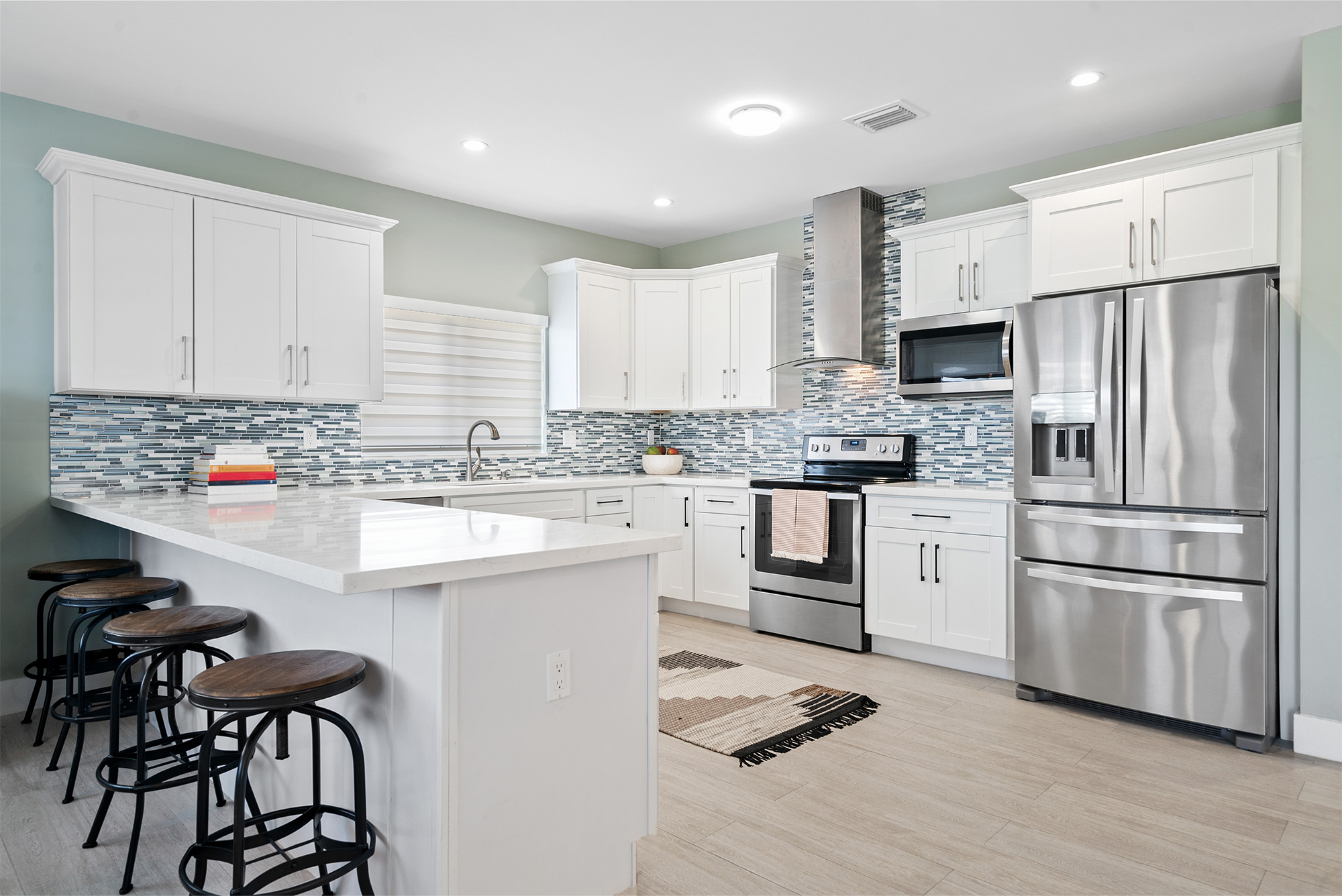
Factors influencing countertop weight capacity
Material:
The first and most crucial factor in determining a countertop's weight capacity is the material it is made from. This is because each material possesses unique inherent properties—such as density, compressive strength, and flexibility—that dictate how it will react to weight and stress.
Natural Stone:
-
Granite countertops: Often considered the gold standard for durability, granite is an igneous rock formed under intense heat and pressure. Its crystalline structure makes it incredibly dense and strong. A properly installed granite countertop can often support a substantial amount of evenly distributed weight, with some sources claiming up to 1,000 pounds per square foot. However, its strength is not uniform; it can be more vulnerable to cracking at fissures or unsupported areas like overhangs or cutouts.
-
Marble: While beautiful and classic, marble is a softer, more porous stone than granite. It is more susceptible to scratching, chipping, and cracking under heavy or concentrated loads. Its weight capacity is generally lower than granite and quartz, typically around 150-200 pounds in supported areas.
Engineered Stone (Quartz): Engineered quartz countertops are made from a mixture of crushed natural quartz, resins, and pigments. This manufacturing process results in a non-porous and incredibly strong surface.
Quartz is known for its consistent strength and can often match or even exceed the durability of natural stone. It can typically support a significant amount of weight, often in the range of 400-500 pounds, and sometimes more, depending on the thickness and installation. The resins give it a slight flexibility that makes it less brittle than natural stone.
Solid Surface (i.e. Corian): Made from acrylic or polyester resins, solid surface materials are non-porous and can be seamlessly installed. They are less prone to cracking than natural stone but have a lower weight capacity.
They can typically handle around 100-150 pounds of static weight in well-supported areas. A major advantage of Solid surface materials is that they can often be repaired if damaged.
Laminate: Consisting of a plastic-laminated layer over a particleboard core, laminate is the most budget-friendly option and has the lowest weight capacity. While suitable for everyday kitchen use, it is not recommended for heavy appliances or concentrated loads.
The core can be susceptible to damage from moisture and is not as strong as other materials. Its weight capacity is generally the lowest, often in the 50-100 pound range.
Thickness:
You've hit on a core principle of structural engineering: thickness equals strength. This is true for any material, from wood to granite to steel. A thicker countertop, regardless of its composition, is more rigid and can handle a greater load without flexing or breaking.
-
Increased Rigidity: A thicker slab has more mass and volume, which makes it more resistant to bending. Imagine trying to bend a piece of paper versus a piece of cardboard; the cardboard is much stiffer because it's thicker. The same principle applies to countertops.
-
Greater Compressive Strength: When a weight is placed on a countertop, the material on the top is compressed while the material on the bottom is stretched (or put in tension). A thicker countertop has more material to distribute these forces, making it less likely to fail under a heavy load.
-
Aesthetic and Practical Implications: The added strength of a thicker countertop means it can handle things like a heavy cast iron pot dropped on it or someone sitting on the edge of the counter. It's also less likely to crack around cutouts for sinks or cooktops.
Support structure:
How a countertop is installed and supported is crucial to how much weight it can handle. A countertop with plenty of support underneath, like full cabinets and bracing, will be able to handle much more weight than one that has limited support. A countertop with an overhang or a large unsupported section, for instance, would be a weak point and more susceptible to cracking or breaking under heavy loads.
This is especially important to consider with heavier materials like granite, quartz, and concrete, which need strong and continuous support to prevent them from cracking under their own weight, let alone the weight of appliances or other heavy items. Countertops made of laminate or wood are much lighter and are less likely to crack from a lack of support, but they can still sag or warp over time if not installed correctly.
The type of support used also makes a difference. Full base cabinets provide excellent support, as they distribute the weight evenly. When a countertop has an overhang, however, you'll need additional support like cantilevered brackets, steel rods, or corbels to prevent it from failing. Without these, the overhang becomes a stress point, making it vulnerable to damage.
Weight distribution:
When we talk about placing weight on a surface, the way that weight is distributed makes all the difference. This is a concept often described as load distribution. Imagine you have two identical countertops. On the first one, you place a large, heavy cutting board. The weight of the board is spread out over its entire surface area. This is an evenly distributed load. The countertop can handle this weight with no problem because the stress is spread out.
Now, on the second countertop, you place a single, heavy cast-iron pot, balanced on a tiny point, perhaps a small foot or a sharp corner. This is a concentrated load. All the weight is focused on a very small area. Even if the pot weighs less than the cutting board, it's far more likely to cause damage. This is because the stress on that one spot becomes immense. This can lead to cracks, scratches, or even breakage, especially with materials like granite, quartz, or marble that are strong but can be brittle.
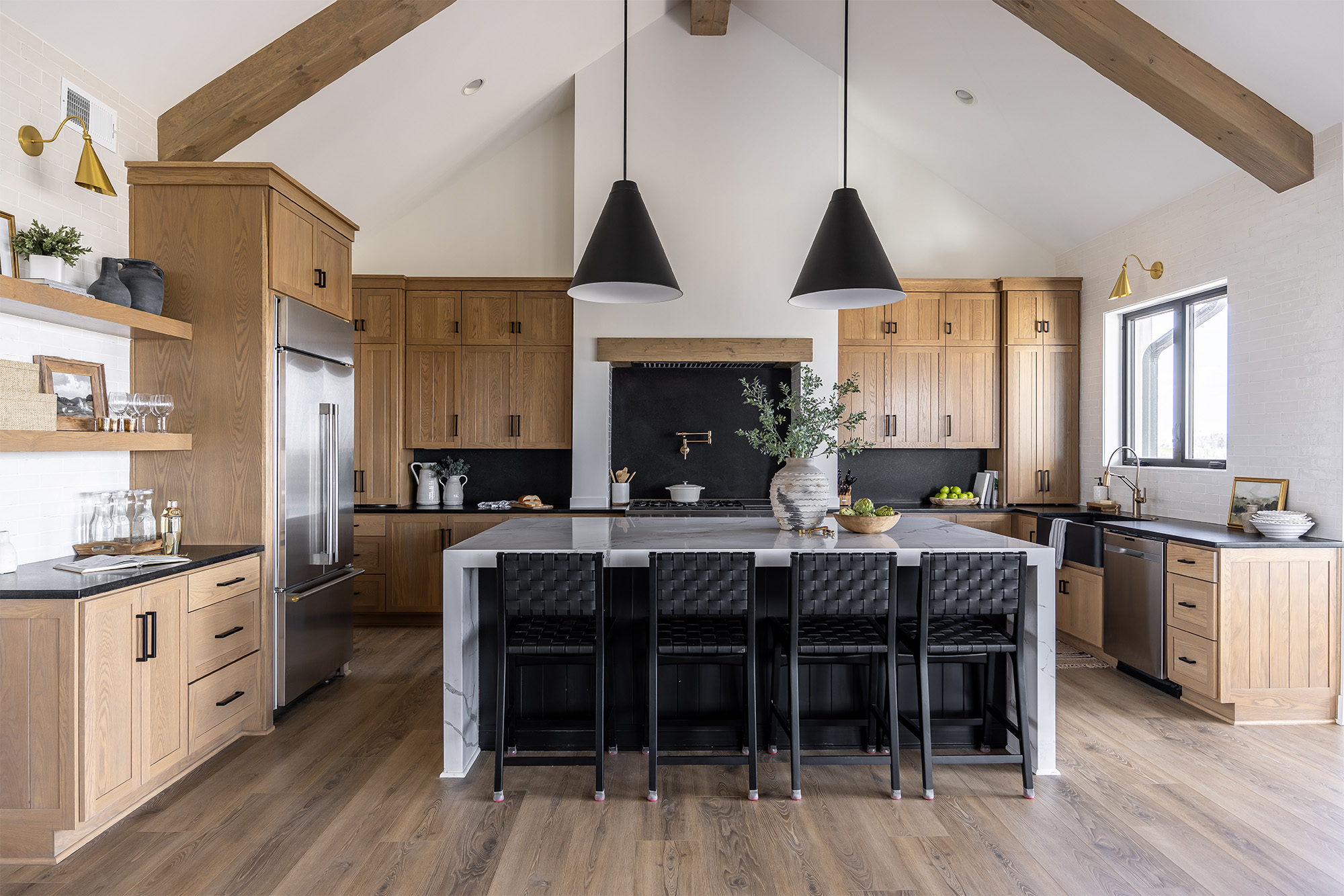
General guidelines for countertop weight
While the specific weight limits vary based on the factors mentioned above, here are some general guidelines:
Everyday use:
Most countertops can easily handle the weight of everyday items like small appliances, cookware, and dishes.
Heavy appliances:
If you're planning to place a heavy appliance like a stand mixer or a large microwave on your countertop, check the manufacturer's recommendations and ensure your countertop has sufficient support.
Aquariums or terrariums:
If you're installing an aquarium or terrarium, it's crucial to consult with a professional to ensure the weight is properly distributed and supported.
If you're still unsure about how much weight your kitchen countertop can hold, consult the experts at Tile Outlet
If you're unsure about how much weight can a countertop hold or are planning to install a heavy object, it's always best to consult with a professional installer or engineer. They can assess your specific countertop and provide guidance on how to safely accommodate the weight.
Visit Tile Outlet for durable, long-lasting countertops in Carson City, NV
At Tile Outlet, we understand the importance of choosing the right countertop for your needs and lifestyle. With over 15 years of experience serving the Carson City, Carson Valley, and Lake Tahoe areas, we offer a wide selection of high-quality countertops, expert installation services, and unparalleled customer support.
Visit our showroom in Carson City to explore our extensive collection of countertop materials and get expert advice on choosing the perfect surface for your home. We're committed to providing our customers with the best service, products, and expertise in the industry.

